




The resinous way:
“La natura és una gran enciclopèdia, un llibre obert.”
— Martí Boada
Nature is an infinite source of inspiration. It gives structure to much of what resonates with us. There is a telluric force that deeply connects us to the natural world.

Resins — and the wider family of resinous botanicals — offer a way of reading nature through aroma and texture. Their sticky feel may be initially uncomfortable, but it stands in striking contrast to the astonishing aromatic intensity they can deliver.
Once you begin to explore the aromatic layers of resins, you realise there is an entire chapter of nature devoted to them. Complexity, freshness and balsamic notes combine to create a distinctive aromatic fingerprint for each botanical species.
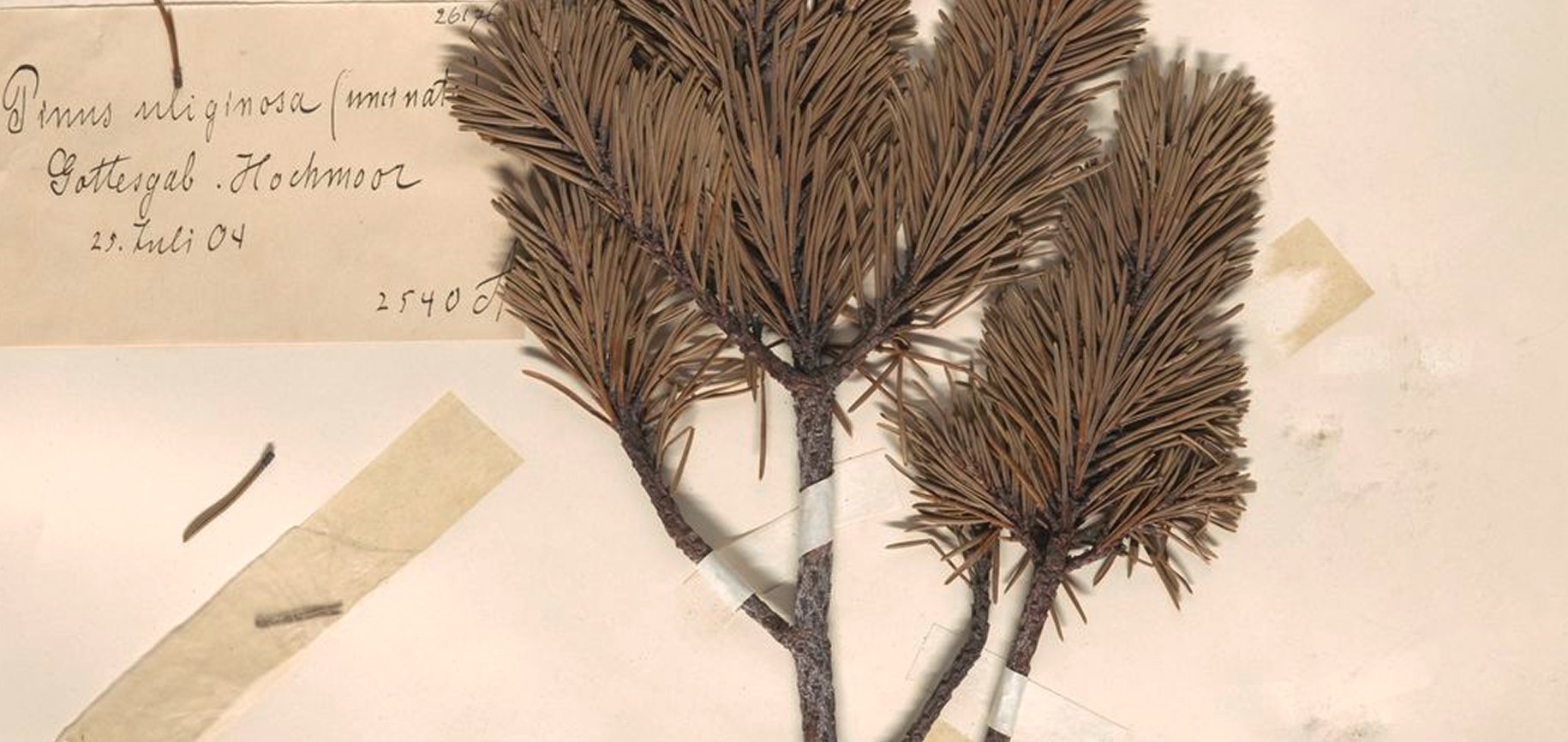
Many philosophers, thinkers, artists, architects, writers and painters have rooted their work in nature. In gastronomy, this bond becomes even more intimate.
When we refer to resins we understand not only the botanical exudates that protect plants from insects and pathogens and are often secreted in response to injury, but as the entrance to a broader aromatic territory: resinous botanicals.
Through distillation, we can capture aromatic profiles that have long fascinated cultures around the world: from Greek mastiha to aniseed spirits, and to gin, one of the most widely recognised botanical distillates.
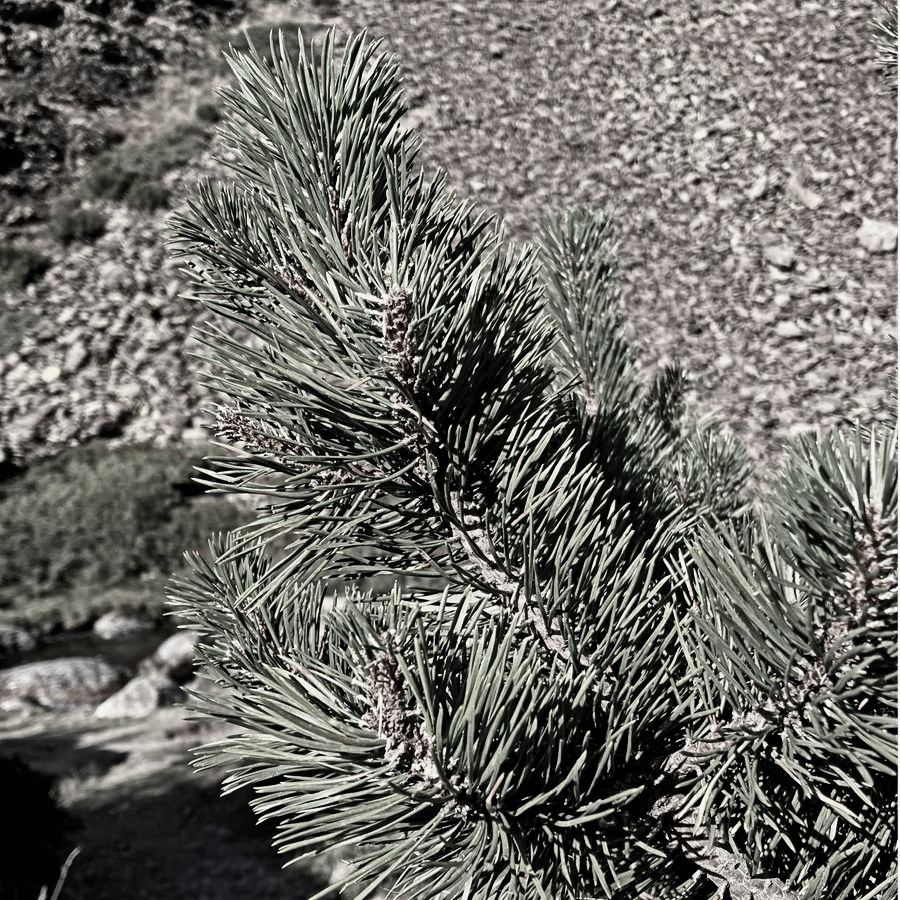
Resin aromas call sharply for our attention. They open a journey of memories, walking through forests.
This collection explores resins as one of the most expressive gateways into the universe of botanical aromatics.